
What Will It Take?
The Cost of Keeping Hope Alive

“Two down. One to go.”
Recovery from brain surgery was progressing. It was a slow, but it was a somewhat predictable process. Movement and walking helped with faster healing. Medications were tapered, and my energy started to rebound. Recovery could not happen fast enough, as my hopes focused on one goal: liver surgery.
The Peace of Recovery
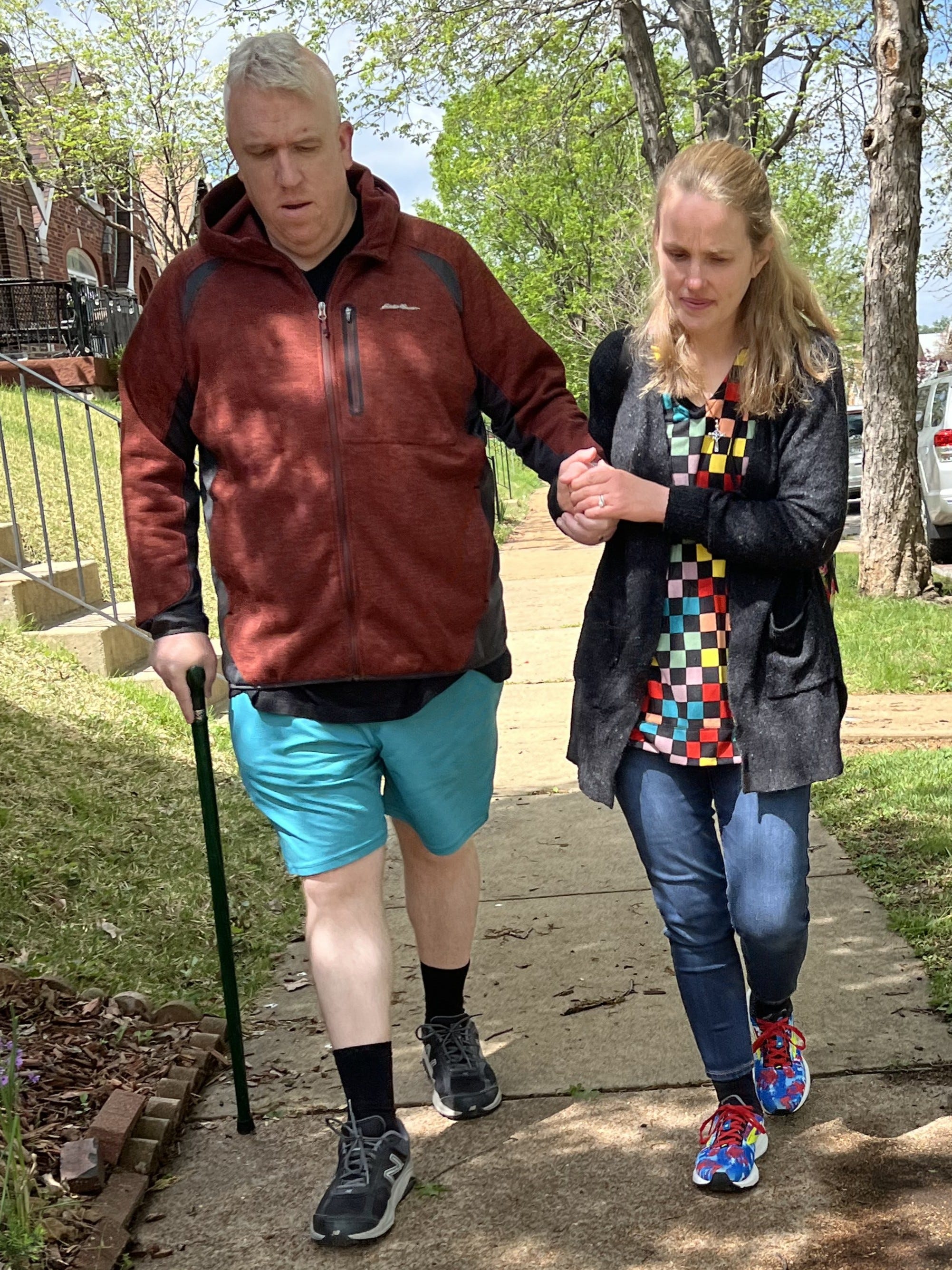
The recovery period following brain surgery turned into an immensely fruitful time of prayer. Much of my daily routine was eliminated out of necessity. Screens caused migraines, as did constant noise. I was unable to drive myself anywhere. I spent much of my time at home in quiet, sitting outside when possible, and going for daily walks. The time was a gift, despite the physical pains that made it necessary.
One of the lessons of redemptive suffering seemed to be unfolding before me.
“Lord, why have You allowed this to happen? Was it to force me to stop and be with You?”
Whether that was the intention or not, it was the reality. The rhythms of my life were disrupted. I was given the gift of time. Distractions were removed. My prayer was focused.
“Lord, I want to be healed. Miracle or surgery, could you please provide a way?”
As I continued this time of recuperation, the stillness that came with it did not just bring peace; it sharpened my focus on what was ahead of me.
A Singular Focus
The hepatobiliary surgeon had set a date for my next MRCP scan. I would go for the scan on September 8, 2025. The results of this scan would determine whether or not we could proceed with surgical resection to remove the metastatic tumors from my liver. Scheduling a surgery seemed simple, but this goal had eluded us from the beginning of the journey.
We met with my oncologist in the weeks following the brain surgery. The last scan had shown no new growth in my tumors, but there was concern with the emergence of new physical symptoms. Was this an indication of growth?
My oncologist brought up the subject of treatments and the potential to resume the first line of defense. The same injections that brought “intolerable” side effects the first time we tried them were now back on the table. For me, it was a conversation about treatments now in an effort to keep the surgical option. His focus was different. What did we need to do immediately so that I would not be in a difficult place with limited options and a poor outlook ten years later?
I may have been focused on the short term, while he was focused on the long term, but the plan was the same: reduce disease burden as much as possible. Injections to prevent further tumor growth and surgical resection were both strategies to employ. Surgical resection could dramatically, perhaps fully, reduce tumor burden. New growth could take away the option.
The Cost of Acting
Somatostatin analogue (SSA) injections came with a physical cost. The side effects from my first three rounds of injections included:
Several days of steatorrhea followed by days of diarrhea (each intensified by the burning sensation of bile acids)
Abdominal cramping that would come in waves.
Incredible nausea that would only abate with the use of medications.
Debilitating migraines intensified by light sensitivity and the anti-nausea medications.
The side effects would crescendo into run away pain that could only be resolved by intravenous medication administered in the emergency room. We had come to presume that I would miss 4-5 days of work and family life following each injection in a “best case” scenario.
This would almost certainly be the case if we decided to act. Were we willing to pay the cost?
The Cost of Inaction
There was another option before us. We could do nothing and wait.
I would not receive injections. There would be no side effects to endure. I would still go for a scan on September 8th. The hepatobiliary surgeon would still make a determination as to whether or not surgery was still an option.
Waiting was an attractive option. It had already been a year since my first hospitalization. I had already endured the pain and recovery of two surgeries. The previous rounds of treatment with SSA injections made me miserable. I couldn’t help but think it would be nice to have a break from the cross.
But inaction came with a cost as well.
The developing symptoms could have been a sign of tumor growth. Inaction could mean the disease would progress to a point where surgery would no longer be a viable option. Each symptomatic episode was already triggering a simmering anxiety that had been festering beneath the surface.
If the cost of acting was a physical toll, the cost of inaction would be a mental one. It was a choice I did not want to make.
“What must I do?”
Once more I returned to a familiar conversation.
“Jesus, why have You called me here?”
My prayer kept returning to a passage of scripture as I carried the weight.
“And as he was setting out on his journey, a man ran up and knelt before him, and asked him, “Good Teacher, what must I do to inherit eternal life?’ And Jesus said to him, ‘Why do you call me good? No one is good but God alone. You know the commandments: ‘Do not kill, Do not commit adultery, Do not steal, Do not bear false witness, Do not defraud, Honor your father and mother.’ And he said to him, ‘Teacher, all these I have observed from my youth.’ And Jesus looking upon him loved him, and said to him, ‘You lack one thing; go sell what you have, and give to the poor, and you will have treasure in heaven; and come, follow me.’ At that saying his countenance fell and he went away sorrowful; for he had great possessions.”
Like the rich young man, I was striving to keep the commandments. I was frequenting the Sacraments. I would go to confession and seek reconciliation when I failed. It seemed, though, that the man recognized something lacking in merely keeping the commandments. Perhaps he, like me, was doing those things to avoid punishment.
I was struck by the next four words our Lord spoke to the young man: “you lack one thing”. Jesus then instructed him to sell his riches, all that he had. Obedience would mean treasure in heaven. He invited the rich young man into a deeper, lasting relationship when He said, “and come, follow me.”
What was I lacking?
Were Beth and I called to have a yard sale in the midst of everything else?
As I continued to reflect, I thought about the man’s possessions. Jesus had not asked others to sell their possessions before following Him. Was there something wrong with this man’s possessions? I could hardly imagine that his possessions were intrinsically bad. Many of them could have been good things. If so, why would Jesus ask him to give up something good before he could go and follow Jesus?
Was Jesus asking the same of me?
I was lost in this question.
I could not believe that physical health was a bad thing. Was my health the good Jesus was asking me to relinquish so that I could follow Him? Was this why He allowed my illness to persist through so many difficult days?
“And Jesus looking upon him loved him, and said to him, ‘You lack one thing; go sell what you have, and give to the poor, and you will have treasure in heaven; and come, follow me.’”
I imagined Jesus looking at me, loving me, and saying to me,
“Adam, here is something you lack. Let go of your desires for good health, offer your sufferings to me and come, follow me.”
A Clear Choice
The question still remained. Would I resume SSA treatment in spite of the side effects that would accompany each injection?
One path offered assurance, but not certainty, that surgery to remove the metastatic tumors would still be possible. The other path seemed to offer greater physical comfort, but came with a higher risk that the tumors would grow. Not only could this preclude surgery, inaction could negatively affect future treatment options. The cross would remain in either case.
“The lukewarm do not embrace the cross; they merely drag it along.”
-St. Teresa of Avila
The choice was clear. It was time to resume treatment.
I was once again reminded of a reason we believe our Lord allows suffering: so that a great good may come about.
Embracing the cross would mean enduring the side effects from the injections. But doing so was not just a strategy for the best physical outcome; it was an opportunity to grow deeper in relationship with Jesus.
I resumed treatment on July 22, 2025.
A Prayer
I had pre-recorded the content for the next week’s radio shows knowing that I would likely miss several days of work due to the injection side effects. I had the occasion to revisit St. Ignatius of Loyola’s “Suscipe” prayer.
“Take, Lord, and receive all my liberty, my memory, my understanding, and my entire will, all I have and call my own. You have given all to me. To you, Lord, I return it. Everything is Yours; do with it what You will. Give me only Your love and Your grace, that is enough for me."
-St. Ignatius of Loyola
I thought of this prayer in the context of the coming week. All of the good health I had enjoyed throughout my life, all of the “good days” throughout this cancer journey, all of the moments of consolation in the midst of the bad days had been gifts from God. The prayer changed as I continued to sit with it in silence.
“Jesus, please help me to joyfully accept the cross set before me. Please help me to let go of the memories of ‘better times’. Jesus, please give me the grace to surrender my desire that the side effects be more tolerable. Please help me see with greater clarity the gifts that You have given to me and give me the willingness to surrender them back to You. Help me to understand how You are pouring out Your love and Your grace through the cross of this treatment and to trust that You are, even if I do not understand how. Jesus, please give me the grace to see that Your love and Your grace are, indeed, enough for me.”
Reflection Questions
When faced with a difficult decision, do I tend to avoid the cost—or honestly weigh what is at stake?
Where in my life am I tempted to choose comfort over what is necessary or good?
Have I ever considered that inaction can carry a cost just as real as action?
What am I currently unwilling to sacrifice—and why?
Do I trust that God can work through both my decisions and their consequences?
What might it look like for me to say “yes” to the cross in my current circumstances?
If you feel comfortable sharing, I’d be grateful to hear how this reflection connects with your own experience.